
The Winter Olympics are coming to Northern Italy in 2026, with events across Milan, Cortina d'Ampezzo and other Alpine venues. This guide covers where to fly into, how to time your trip, and what to plan for if you are combining Milan meetings with time in the Alps.
The Winter Olympics are coming to Northern Italy in 2026, with events spread across Milan, Cortina d'Ampezzo and other Alpine venues. For private jet travellers, the opportunity is clear: multiple airport options, short transfer distances in some areas, and the ability to plan arrivals around peak days and event schedules. The risk is just as clear: high demand, tight airport slots, and busy mountain transfer routes.
This guide covers where to fly into, how to time your trip, and what to plan for if you are combining Milan meetings with time in the Alps.
TLDR: Book early, choose the right airport for where you are staying (Milan city vs Alpine venues), avoid peak arrival and departure days, and plan ground transfers like they are part of the flight. For Cortina and the Dolomites, consider routing through Venice or Verona depending on your itinerary and road conditions.
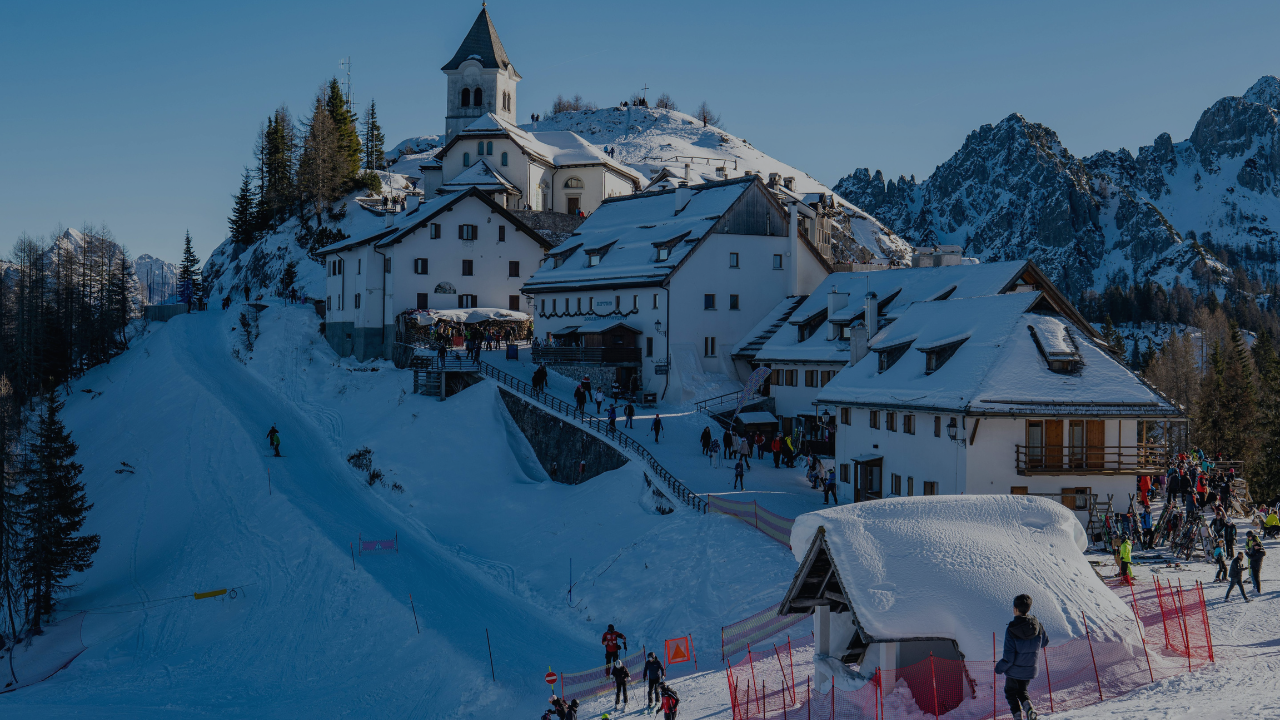
Where to fly for the Winter Olympics in Milan 2026
If you are staying in Milan, you have three main airport choices. The best one depends on your exact schedule and where you are based in the city.
Milan Linate (LIN) is often the most convenient for Milan itself because it is closest to the city. It can be a strong choice when your priority is minimising transfer time, but availability can tighten quickly during major events.
Milan Malpensa (MXP) offers more scale and is often a practical option when timing and availability matter. It is farther from central Milan than Linate, so transfer time should be factored in.
Bergamo (BGY) can be useful depending on where you are staying and what the slot situation looks like, but road transfers may be longer.
If your priority is the Alpine events rather than Milan, you may want to think beyond Milan airports. Cortina and Dolomites access can be easier via airports like Venice or Verona, depending on your route, conditions, and where you want to base.
Timing: when to arrive and when to leave
Major sporting events create predictable congestion patterns. Demand concentrates around opening and closing weekends, plus key medal days. Even if you are not attending those sessions, the market behaves as if you are, because so many travellers choose the same windows.
The smoothest approach is usually to arrive a day earlier than you think you need, then depart a day later than the biggest outbound wave. If you have to travel on peak days, the easiest lever is time of day. Early morning and later evening departures often avoid the busiest slot banks and reduce knock-on delays.
Milan plus the mountains: plan like it is two trips
Many travellers will combine Milan for business and hospitality with time in the Alps. That is a great itinerary, but it needs a realistic plan for transfers. In winter conditions, road travel is the biggest variable. A private flight that looks perfect on paper can still feel stressful if the ground leg is underplanned.
If you are splitting your stay, build your itinerary around stable transfer windows. Leave buffer for traffic, weather, and security movement on key days. If you are hosting guests, keep the plan simple and predictable, especially for arrivals and departures.

What to expect for availability and pricing
Olympic travel weeks can tighten aircraft availability across Italy and nearby markets. You are not only competing with travellers going to Milan. You are competing with travellers positioning across Northern Italy, Switzerland, and the South of France who also want premium aircraft and peak-time departures.
The best way to protect your options is to lock in the essentials early. Confirm airports, flight dates, and passenger count first. Leave smaller items like catering detail and final passenger names for later where possible.
Luggage and winter kit planning
Ski and winter luggage can push you into a larger aircraft category earlier than expected. Skis, boots, layers, and bulky bags add up quickly, especially for families or groups. It is worth confirming luggage volume early so the aircraft is selected around the real mission, not just the passenger count.
If you are travelling with security, staff, or additional guests on different days, it can also be smart to plan aircraft choice around flexibility and comfort rather than minimum size.

Conclusion
Winter Olympics travel is all about planning for demand and geography. Milan gives you strong airport choice for city stays, while the Alpine venues reward careful transfer planning and realistic buffers for winter conditions. If you book early, pick the airport that matches where you are actually staying, and avoid the busiest outbound windows, you can keep the entire trip smooth from door to door.
FAQ
What is the best airport for Milan during the Winter Olympics?
For central Milan convenience, Linate is often the closest. Malpensa can be practical for availability and broader operations. The best choice depends on your schedule, your location in the city, and slot availability.
What is the best airport for Cortina and the Dolomites?
Many travellers use airports such as Venice or Verona for access to the Dolomites. The best option depends on weather, road conditions, and where you plan to stay.
When should I book a private jet for Olympics travel?
Earlier than normal. High-demand aircraft categories and peak departure windows fill first. Booking early protects airport choice and timing.
Should I leave on the final day of the Olympics?
That is often one of the busiest outbound windows. If you can depart the next day or shift your departure time, you will usually get a smoother experience.
What should I plan for besides the flight?
Ground transfers are the biggest variable in winter. Build realistic buffer time, choose the right airport for your base, and keep your itinerary simple on peak days.


